

Attention shifts quickly when users interact with credit-based slot systems. Small actions often guide how sessions continue over time. Repeated use builds habits that shape overall activity levels. Early exposure through link free credit no deposit new member offers often reduces hesitation. Simple progress steps make users feel more in control of their actions. Clear signals within the system help users decide when to continue or pause.
Usage flow shaping repeated session habits
Users tend to follow predictable paths during repeated sessions. Familiar steps reduce effort and increase comfort over time. Clear layouts help users move smoothly without confusion. Stable flow supports longer engagement across multiple sessions.
Credit movement influencing user decision cycles
Movement of credits affects how users react during sessions. Faster changes create quick responses while slower shifts build patience. Balanced movement helps users stay focused without feeling rushed. Control over credit use supports better decision-making patterns.
Observed actions during active session periods
Common actions appear repeatedly during ongoing session activity. These actions reflect how users interact with system features.
- Users often pause briefly after wins to reassess next steps
- Short session bursts appear frequently during limited time availability
- Repeated spin actions show comfort with familiar interaction patterns
- Users check remaining credits often before making further moves
- A gradual increase in activity occurs after small, consistent wins
- Sudden stop actions follow noticeable credit reduction phases
- Users prefer simple navigation steps during the ongoing session flow
- Return actions increase when early sessions feel easy to understand
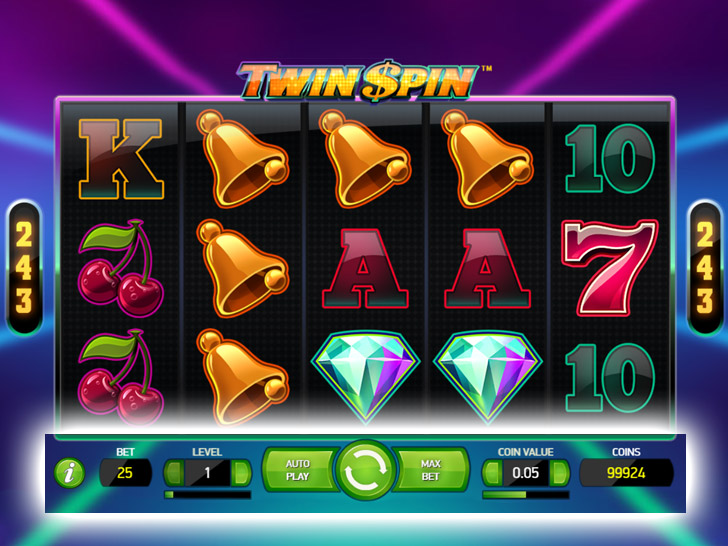
Attention shifts during extended play duration
Focus tends to change during longer sessions. Users may slow down actions after repeated attempts. Short breaks help maintain steady attention. Controlled pacing helps reduce a sudden drop-in activity.
What patterns define user engagement across varied sessions?
User behaviour shows clear repetition when systems feel easy to follow. Consistent actions appear when users understand how credits move during sessions. Simple structures reduce confusion and help users stay active for longer periods.
At the same time, early exposure benefits influence how users begin their journey. Familiar entry points build confidence during first attempts. Over time, these patterns become routine and shape how users return for future sessions.
Simple behaviour signals guiding continued activity
Small signals guide user decisions during each session. Visual cues help users understand progress clearly. Stable interaction patterns improve overall satisfaction. These signals support steady activity without forcing actions.
Consistent observation shaping future interaction models
Understanding user behaviour helps improve system design over time. Behavioural patterns observed in users engaging with credit slot formats provide insight into how actions repeat across sessions. Stable structures support better interaction without confusion. Inclusion of link free credit no deposit new member benefits improves early participation levels. Observing these patterns helps create systems that feel simple and controlled.
Steady habits define long term engagement
Long- term activity depends on simple repeated behaviour. Users prefer systems that feel easy to follow each time. Clear structure supports predictable actions during every session. Stable interaction builds trust across repeated usage. Consistency in behaviour often matters more than short-term changes.